Okay, so check this out—I’ve been messing with Solana wallets for years. Really. At first I used a hardware wallet and CLI tools like some kind of hobbyist. Then I started using browser extensions and things got a lot easier, fast and, honestly, a little addictive. Whoa!
My first impression was: speed. Transactions that used to feel like they dragged suddenly confirmed in under a second. That was surprising. My instinct said “this will make DeFi feel normal,” and it did. But there were trade-offs. Security models are different. Convenience isn’t free. Hmm… something felt off about giving extensions broad permissions—so I tightened settings and learned to treat browser wallets like a key on my desktop, not my phone.
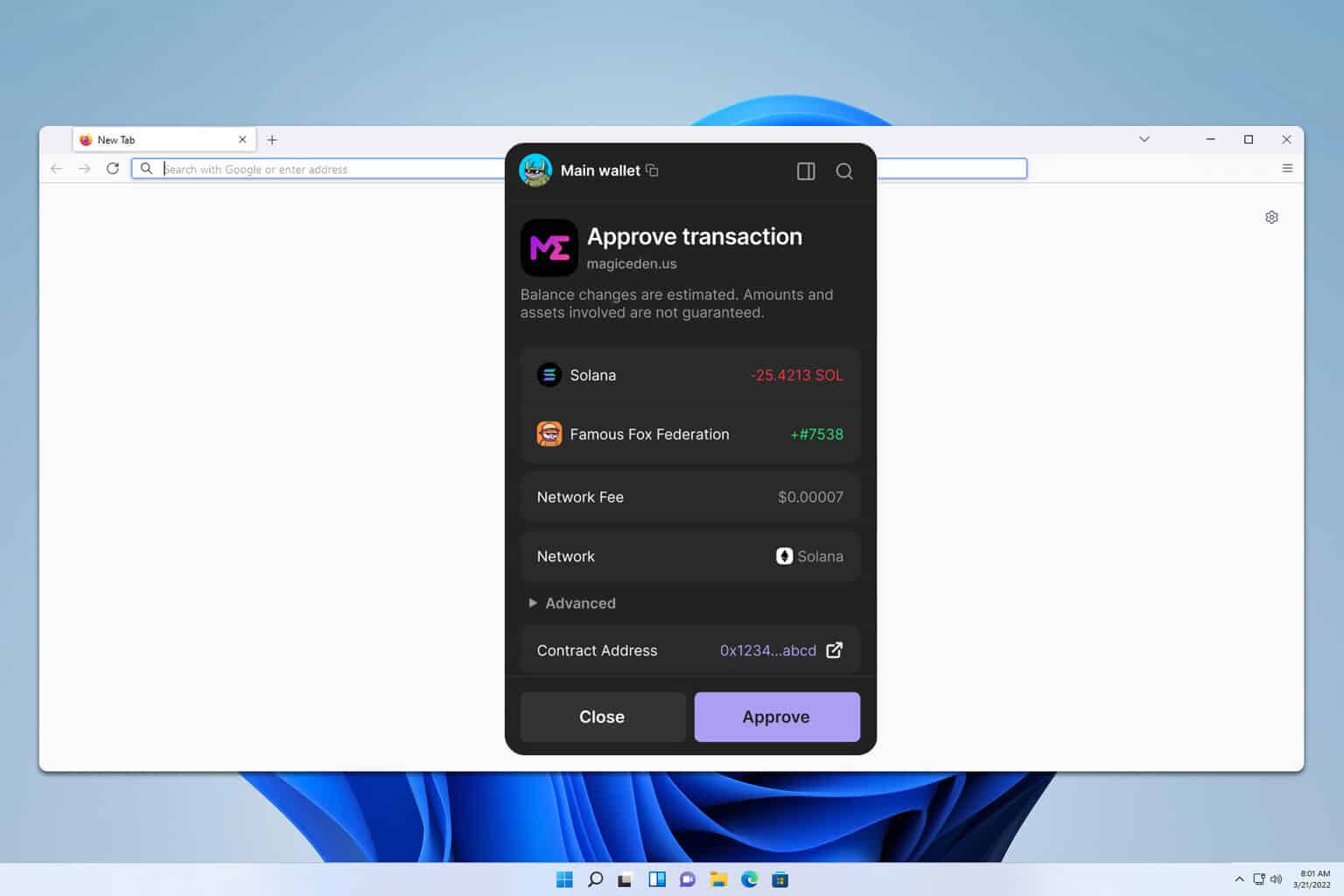
Here’s the thing. Browser extensions for Solana are a different UX class than mobile apps. They live in the flow of my day—tab to tab, DeFi app to DEX to NFT marketplace—without a whole context switch. It’s seamless. On the other hand, that seamlessness can lull you into casual approvals. I learned to pause before clicking “Approve”.
Getting comfortable: what a browser wallet does well
A browser wallet stores your keys (locally) and signs transactions for web apps. That simple sentence hides nuance. Sometimes networks are down. Sometimes apps ask for token approvals you don’t need. Sometimes you get phishing popups. I’m biased, but a good extension balances clarity and control. Seriously?
One practical tip I use: create separate accounts inside the wallet for different activities. Keep a primary balance for long-term holdings and a smaller “hot” account for everyday trades and NFTs. Initially I thought a single-account setup would be fine, but then I saw small mistakes multiply. Actually, wait—let me rephrase that: mistakes don’t scale well.
For folks looking to try a popular option, consider the phantom wallet as a starting point. It’s widely used in the Solana ecosystem, integrates with many dApps, and the onboarding is straightforward. I’m not saying it’s perfect; it has quirks and I run tests before trusting it with larger sums. But for everyday DeFi flows it’s been very very useful.
Security practices matter. Use strong, unique passwords for the browser profile. Back up your seed phrase offline. I keep a printed copy of my seed in a safe—old school, I know. Also, rotate accounts occasionally. It sounds excessive, but every additional friction you add to attackers is worth it.
On the performance side: Solana’s low fees and quick confirmations change calculus. You can experiment more because a failed transaction doesn’t cost much. That encourages learning. (Oh, and by the way… I still test on devnets and small amounts first.)
What bugs me about browser wallets
This part bugs me: permission prompts are often presented in confusing ways. Developers sometimes conflate “connect” with “allow spending” and users click without reading. My instinct said “don’t rush,” though actually many people do rush—especially in a bull run when FOMO is loud. So, I advocate pausing. Take a breath. Seriously—read that approval request.
Another irritation is support fragmentation. Different extensions behave slightly differently across browsers. Chrome, Brave, and Firefox each have their quirks. Extensions can be blocked by corporate policies or flagged by security software. That’s annoying when you’re trying to log in at a coworking space or on a locked-down machine.
And then there’s UX debt in dApps. Not all apps follow the same standards for interfaces, so sometimes a request looks legitimate but it’s actually a clever UI design pushing you toward dangerous consent. Initially I thought “this will get fixed soon,” though actually these are ongoing design challenges that require both developer discipline and user literacy.
Real-world workflow I use
I keep three buckets. One for cold holdings, one for day-to-day trade, and one for experimental funds. Short sentences help: I check approvals daily. Medium sentence: I use small transactions to test integrations before moving larger amounts. Longer thought: when I’m integrating a new dApp into my routine, I document expected flows, gas profiles, and typical token approval sizes so I can notice anomalies faster than if I relied purely on memory and instinct.
When connecting a wallet to a new site, I verify the URL and check social channels for any outage reports. I also compare the contract address the dApp presents with the contract address in explorer tools. It’s extra work, but saves headaches later.
One more thing—browser extensions make automation easier. I use scheduled scripts for portfolio checks, but never to auto-confirm transactions. That line is sacred. Automation should inform, not act without my consent.
Common questions
Is a browser wallet safe?
Relatively. It depends on your practices. Local key storage is good, but your browser environment matters. Keep extensions minimal, patch often, and use separate accounts for hot/cold activities.
Can I use the same wallet on mobile?
Yes, many wallets support cross-device recovery via seed phrase. But mobile and extension UX differ. I treat mobile as an additional surface, not a full substitute.
What about phishing and scams?
Phishing is the top risk. Always verify URLs, double-check contract addresses, and never paste your seed into sites or apps. If an approval looks odd, deny and investigate.
To wrap up—well, not a formal wrap-up because I like leaving a question—browser wallets on Solana change your day-to-day because they remove friction. They also require a little elbow grease in learning how to manage permissions, separate accounts, and verify dApps. My gut feeling? If you respect the tool and build small habits, it becomes a reliable gateway into DeFi.
I’m not 100% sure where the ecosystem will go next, and that’s exciting. There are UX fixes to be made and security work to continue. But for now, the convenience is real, and it’s worth exploring carefully. Try small. Learn fast. Don’t be reckless.
Deixe um comentário